## Why is nutrition important in chronic pancreatitis?
Nutrition plays a key role in managing chronic pancreatitis because the disease affects the pancreas' ability to digest and absorb nutrients. Over time, this can lead to malnutrition, weight loss, and weakened physical strength.
A proper diet helps prevent symptom flares, supports stable blood sugar levels, and improves the body's ability to recover from illness or surgery.
## How does chronic pancreatitis influence nutritional status and metabolism?
Chronic pancreatitis contributes to malnutrition in several ways:
- Pain after eating may reduce appetite and lead to decreased food intake
- Persistent nausea makes a patient avoid eating
- Long-term alcohol use can result in poor dietary habits and additional nutrient depletion
- Exocrine pancreatic insufficiency leads to poor absorption of fats and proteins
- Malabsorption increases the risk of deficiencies in essential nutrients, particularly fat-soluble vitamins such as vitamin A, D, E and K
- Your body burns more calories than usual, even at rest due to chronic inflammation, meaning that even normal calorie intake may not be enough to maintain body weight
## How to detect and prevent malnutrition?
The first step to detect malnutrition is to undergo a thorough nutritional assessment. The evaluation should include a review of symptoms like nausea, weight loss, or diarrhea, and an assessment of pancreatic function, body composition, bone health, and current dietary habits. Lifestyle factors such as alcohol use, smoking, and physical activity should also be considered. Nutritional screening identifies patients at risk early, so that personalized nutrition plans can be created before more severe complications occur.
## Recommended foods
People with chronic pancreatitis should focus on a low-fat, high-protein, and well-balanced diet. Recommended food choices include:
- **Fruits:** Fresh, frozen, or canned without added sugars.
- **Vegetables:** Fresh, cooked, or steamed (avoid frying).
- **Whole grains:** Brown rice, whole-wheat bread, oats, quinoa, and whole-grain pasta.
- **Lean proteins:** Skinless chicken, turkey, white fish, and egg whites.
- **Low-fat or fat-free dairy:** Milk, yogurt, cheese alternatives like almond or rice milk.
- **Legumes:** Beans, lentils, and split peas (boiled or steamed).
- **Broths:** Clear, non-fat broths for soups and cooking.
- **Healthy cooking methods:** Baking, roasting, steaming, or grilling without oil or butter.
- **Cooking sprays:** Use non-fat sprays instead of oil or butter.
- **Medium-chain triglyceride (MCT) oil:** May be helpful as it is absorbed directly and doesn't require pancreatic enzymes.
## Foods to avoid
Certain foods can trigger symptoms and should be limited or avoided:
- **Fried or fatty meats:** Bacon, sausage, and meats cooked in oil
- **High-fat dairy products:** Whole milk, cream, full-fat yogurt, cheese sauces, and milkshakes
- **Oily or processed meats:** Canned meats in oil, salami, liver, and organ meats
- **Fat-rich vegetables:** Fried or stir-fried vegetables and avocados
- **Nuts and nut products:** Whole nuts, peanut butter, almond butter, and coconut-based products
- **High-fat grains:** Biscuits, croissants, fried rice, and buttery breads
- **Spreads and dressings:** Mayonnaise, butter, lard, and creamy dressings
## Consider how you eat
Simple changes in eating habits can help reduce symptoms and improve digestion:
- **Eat small, frequent meals:** Instead of three large meals, aim for 4 to 6 smaller meals spaced throughout the day. This helps reduce the workload on the pancreas and may minimize pain, bloating, and discomfort.
- **Chew food slowly and thoroughly:** Taking your time to eat can improve digestion and reduce the risk of feeling overly full or nauseated.
- **Avoid lying down right after eating:** Staying upright for at least 30–60 minutes after meals can aid digestion and reduce bloating.
- **Keep a food and symptom diary:** Tracking what you eat and how you feel afterward can help identify personal food triggers. Share this journal with your healthcare provider or dietitian for better dietary planning.
## Diet and associated conditions
The dietary recommendations provided here are general guidelines for people living with chronic pancreatitis. However, each person's condition is unique, and nutritional needs can vary greatly depending on other health conditions. That is why it is important to work closely with a nutritionist, who can help develop a personalized meal plan that considers not only your pancreatic health but also any associated medical issues.
- **Diabetes:** Requires careful control of sugar and carbohydrate intake to manage blood glucose levels
- **Irritable Bowel Syndrome:** May improve by avoiding specific food triggers; some patients benefit from a low FODMAP diet
- **Small Intestinal Bacterial Overgrowth (SIBO):** Often managed with a low FODMAP diet to reduce gas and bloating
- **Celiac disease:** Requires a strict gluten-free diet to prevent intestinal damage and nutrient malabsorption
- **Other conditions:** Lactose intolerance, food allergies, or gallbladder removal may require further dietary adjustments
## Resources
- [Mission:cure](https://mission-cure.org/managing-pancreatitis/nutrition-for-chronic-pancreatitis/)
- [National pancreas foundation cookbook](https://pancreasfoundation.org/wp-content/uploads/2013/11/NPF-Cookbook-2015-Update.pdf)
- [Pancreas Foundation Nutrition Resources](https://pancreasfoundation.org/patient-resources/nutrition-cookbook/)
## Enteral feeding
### What is enteral feeding?
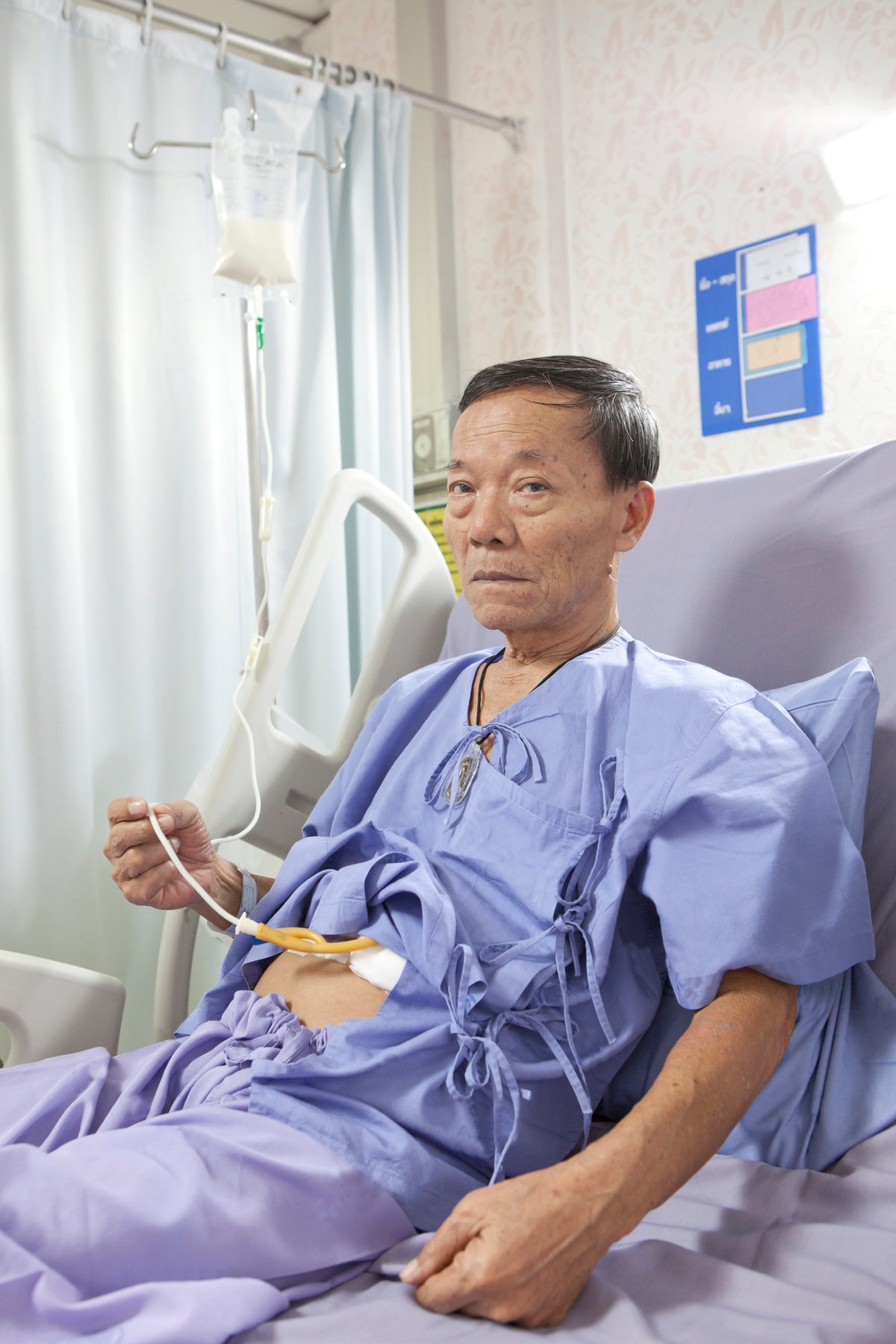
Enteral feeding is a method of providing nutrition through a tube placed into the stomach or small intestine. This approach is used when patients are not meeting their nutritional needs or to rest the pancreas to decrease pain. Enteral feeding can help prevent malnutrition, support healing, and reduce the workload on the pancreas by bypassing normal digestion. It is often recommended during hospitalizations, periods of severe symptoms, or in cases of long-term poor intake, and is considered a safer and more effective option than intravenous nutrition when the digestive tract is still working.
### What are options for enteral feeding?
Enteral feeding options depend on how long support is needed and where the nutrients should go in the digestive system. Here are the main types:
**Short-term options (days to weeks)**
- **Nasogastric tube:** inserted through the nose into the stomach. Used for short-term support, especially during flares or hospital stays
- **Nasojejunal or nasoduodenal tube:** inserted through the nose into the small intestine. This can be removed at any time if it's causing you too much discomfort
**Long-term options (weeks to months or more)**
- **Gastrostomy (G-tube):** placed through the skin directly into the stomach
- **Gastrojejunostomy (GJ-tube):** allows feeding into the jejunum through a stomach port
- **Jejunostomy (J-tube):** placed through the skin directly into the jejunum, allowing it to feed directly into the small intestine
### What will I receive through the feeding tube?
You will receive a liquid formula that includes all the nutrients your body needs, such as protein, vitamins, minerals, fluids, and water. There are different types of formulas:
- **Standard formulas** are used for most people and contain a mix of carbohydrates, protein, and fat
- **Specialized formulas** may be used if you have other conditions such as kidney disease, problems absorbing nutrients, or need fluid restriction
In addition to formula, water is given through the feeding tube to keep you hydrated and to flush the tube, preventing it from clogging. Sometimes, medications can also be given through the feeding tube if they are in liquid form. For tubes in the nose, crushed and dissolved tablets should be avoided as they can clog the tube.
### Who manages my enteral feeding?
Your healthcare team will work together to manage your feeding plan, whether you are in the hospital or at home:
- **Physician:** Oversees your overall care and makes decisions about tube placement and feeding needs
- **Dietitian:** Chooses the right formula and ensure you're getting the correct amount of calories, protein, and fluids
- **Nurse:** Manages the feeding process and teaches you and your caregivers how to safely use and care for the tube at home
When you are in the hospital, the medical team will monitor your tolerance to the feeding, check your labs daily, and adjust your plan as needed. Once you are home, you or a caregiver will handle the formula preparation, administer the feedings, and manage the tube. You'll also have follow-up visits to review your progress and make any needed changes to your nutrition plan.
### How do I care for my feeding tube at home?
Taking good care of your feeding tube helps prevent problems like infections, blockages, or leaks. Here are some tips:
**Flush the tube regularly:** Use clean water to flush the tube before and after each feeding and medication. This keeps the tube from clogging. Your care team will tell you how much water to use and how often.
**Do not put anything in the tube unless instructed:** Only use formula, water, or medications approved by your care team. Never put soda, juice, or crushed pills without checking first. They can clog or damage the tube.
**Follow your schedule:** Stick to the feeding plan and schedule given by your healthcare team. Let them know if you're having trouble finishing feeds or feel unwell.
**Keep the site clean and dry (if placed through your skin):** Clean the skin around the tube daily with mild soap and water. Dry the area gently and check for signs of redness, swelling, or discharge.
**Secure the tube (if placed in the nose):** keep the tube holder or tape that was placed to prevent the tube pulling out of place. If a tape was placed, change it periodically.
Your care team will show you exactly how to do all of this before you leave the hospital and will provide written instructions for you and your caregivers.
### What are the possible complications of enteral feeding?
Enteral feeding is generally safe and well tolerated, but the following complications can occur:
- **Feeding intolerance:** Some people may feel bloated, nauseated, or have diarrhea or abdominal discomfort when starting feeds
- **Aspiration:** This happens when formula accidentally enters the lungs. Keeping the head of the bed elevated when you are receiving feedings helps reduce this risk
- **Infections:** The site where the feeding tube enters the body (such as the skin of your abdomen) can become red, painful, or infected—especially with long-term tubes. If you notice fever or any of these signs, contact your healthcare provider
- **Tube problems:** The tube can get blocked, move out of place, or leak. Regular flushing with water helps prevent clogging
- **Constipation or diarrhea:** These are common and may be related to the formula, medications, or reduced movement
- **Electrolyte imbalances:** When starting feeds, especially after a period of poor intake or weight loss, your body may have trouble adjusting. Levels of important electrolytes, like potassium, phosphorus, and magnesium, can drop too low. For this reason, you often need to be in the hospital for the first few days after you start tube feedings, so your doctor can monitor and adjust these imbalances. If not corrected, these imbalances can lead to muscle weakness, heart problems, difficulty breathing, and confusion